I Taught My AI What My Writing Sounds Like — By Showing It, Not Telling It
I spent this afternoon teaching my AI assistant what my writing sounds like.
Not by telling it. By showing it.
I pulled 34 of the strongest passages from my most polished book and ran them through a pipeline inspired by @Jaytel’s taste.md concept: two different AI models analyzed each passage independently, focusing purely on craft mechanics. What makes the sentence rhythm work. How the humor lands. Where the word choices create voice versus where they’re just filling space.
The two models catch different things. One notices structural patterns like how a short sentence only lands if the previous paragraph ran long. The other catches register collision — mixing formal vocabulary with colloquial in the same passage, which is apparently one of my signature moves. Neither model wrote the book, so neither is reviewing its own homework.
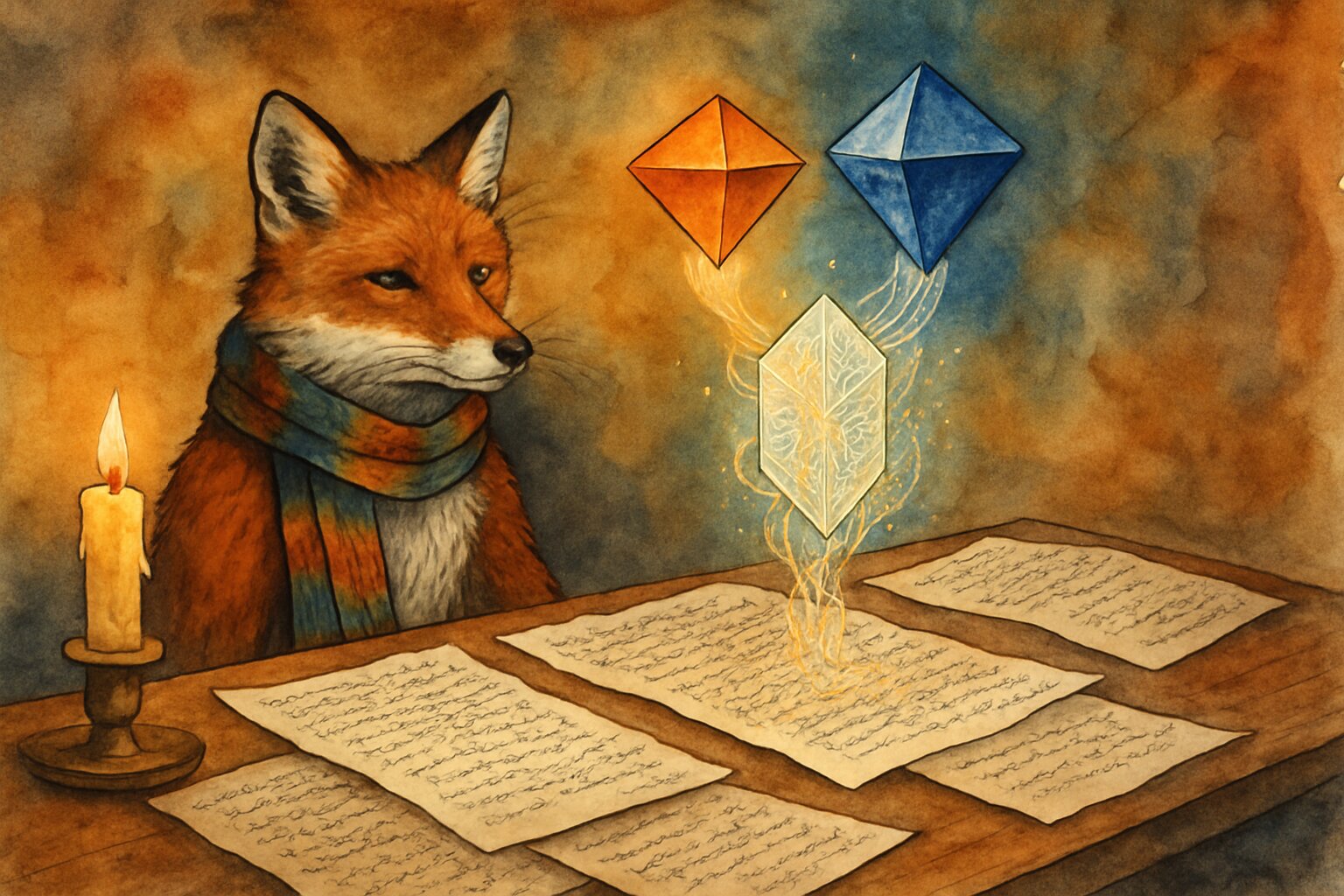
After both analyses, a third model fused them — anonymized, so it couldn’t play favorites — then chunked the results into groups and distilled everything into a concrete rule set. Not “write with voice and personality” (useless). Specific mechanical rules like “end on an image, not a lesson” and “build affection through inventory, not sentiment.”
The result is a 12,000-word style guide that captures how my writing actually works at its best. Now every blog post, social media post, newsletter, and course script my AI produces runs through those rules automatically.
Here’s why this matters if you create content: most people tell their AI assistant “write in my voice” and get back something that sounds vaguely like a magazine article. That’s because the AI is pattern-matching to generic good writing. It has no reference for YOUR specific craft patterns — the rhythms you default to, the humor mechanics you use, the word choices that make your content sound like you instead of everyone else.
The fix took about an hour of my time (selecting passages and reviewing the output). The AI handled the heavy analysis. The writing-voice file it produced is something I’ll use for years.
OpenClaw is a self-hosted AI assistant that lives on its own server, runs 24/7, and gets better the longer you use it because it remembers everything you teach it.
I teach two classes on setting up and getting the most from OpenClaw at AI Partner School.